

Choosing the right car tyres is one of the most important decisions every driver makes. Tyres affect your safety, fuel efficiency, braking distance, and even how comfortable your car feels on the road. But with so many brands, types and features available today, selecting the perfect set can feel overwhelming.
This guide breaks everything down in simple terms so that anyone can confidently pick the right tyres for their car.
Why Choosing the Right Tyres Matters
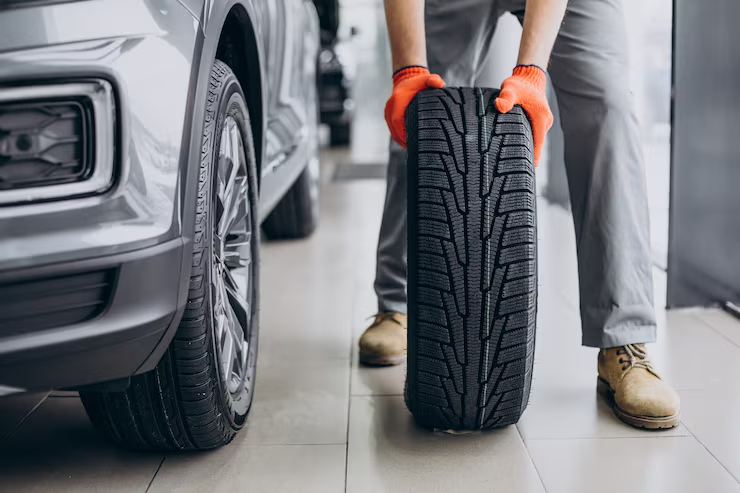
Most drivers focus on engine power, mileage, features, or technology. But tyres are the only part of the car that actually touches the road. That means the right tyres can:
- Improve braking performance
- Reduce fuel consumption
- Increase tyre life
- Enhance cornering stability
- Improve comfort and reduce road noise
- Boost overall safety
If you choose the wrong ones, all of these can go in the opposite direction.
1. Understand Your Tyre Size
Every tyre has a code printed on the sidewall. Example: 195/55 R16 87V

Here’s what it means:
- 195 – Tyre width in mm
- 55 – Aspect ratio (height vs width)
- R – Radial construction
- 16 – Rim diameter in inches
- 87 – Load index
- V – Speed rating
Always match these with the manufacturer’s recommended size. Using the wrong size affects performance, mileage, and even insurance validity.
2. Pick Tyres Based on Your Driving Style
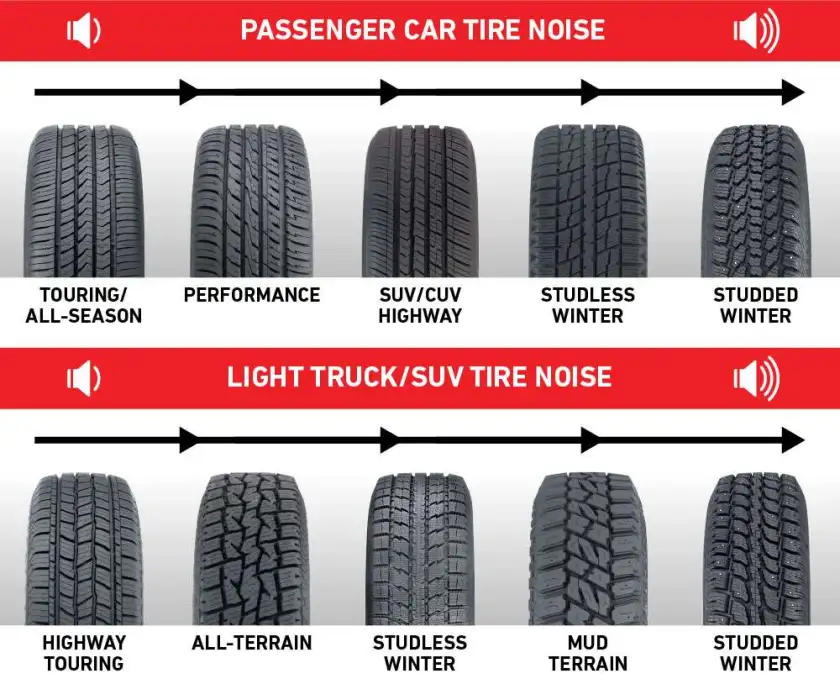
Different tyres are designed for different kinds of drivers. Identify your driving pattern:
City Driving
If you mostly drive in traffic at low–medium speeds, choose tyres that offer:
- Better fuel efficiency
- Low noise
- Long life
Highway Driving
For frequent long-distance driving, look for:
- Strong high-speed stability
- Short braking distance
- Heat-resistant rubber compound
Enthusiastic or Spirited Driving
Choose performance tyres that offer:
- Superior grip
- Better cornering
- Higher speed rating
Bad Roads / Rural Roads
Go for:
- High sidewall tyres
- Reinforced construction
- Better puncture resistance
3. Decide Between These Main Tyre Types
All-Season Tyres
Best for most Indian drivers. Balanced grip, comfort, and durability.
Performance Tyres
Soft compound, great grip, short braking distance. Ideal for turbo-petrol cars, sports sedans, or enthusiasts.
Touring Tyres
Designed for long life, comfort, and low noise. Perfect for highway users.
Off-Road / A/T Tyres
For SUVs that frequently travel on mud, gravel, sand or rocky terrain.
4. Check the Tyre’s Age Before Buying

Tyres have a manufacturing date known as the DOT code.
Example: 3024 means the tyre was made in the 30th week of 2024.
Avoid buying tyres older than 6–12 months, even if unused.
5. Look for These Important Features
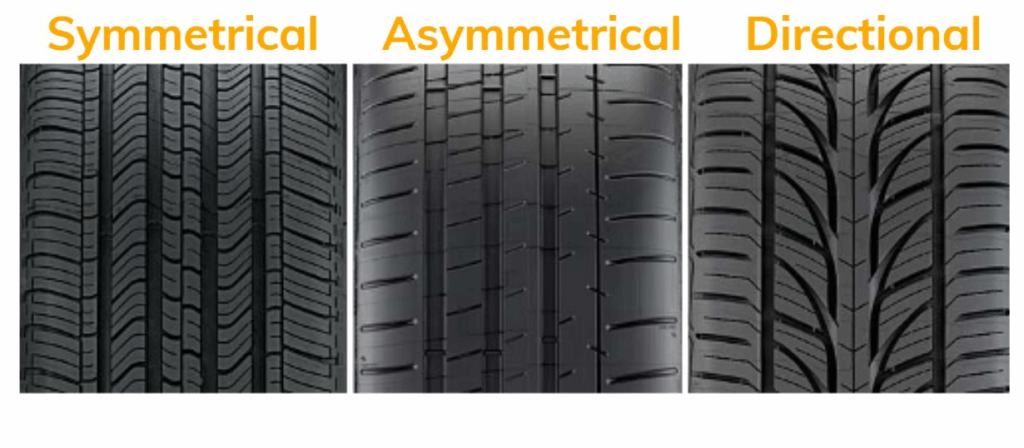
Tread Pattern
- Symmetrical – Long life, low noise
- Asymmetrical – Better high-speed stability
- Directional – Excellent wet grip, quick water evacuation
Wet Grip Rating
Essential for safe braking during rain.
Rolling Resistance
Lower resistance means better mileage.
Noise Level
Important for premium cars and long drives.
Sidewall Strength
Crucial for Indian road conditions with potholes and speed breakers.
6. Compare Popular Tyre Brands
While buying, always check:
- Warranty
- Customer reviews
- After-sales support
Reputed brands generally offer consistent quality and longer life.
7. Should You Upsize or Not?
Upsizing can improve:
- Handling
- Road presence
- Cornering
But it also affects:
- Mileage
- Ride comfort
- Speedometer accuracy
Only upsize within the 2–3% recommended limit.
8. Tubeless vs Tube-Type Tyres
Today, tubeless tyres are the standard. They offer:
- Better safety
- Less heat build-up
- Slow air loss during punctures
- Longer lifespan
Always choose tubeless unless your old car requires tube-type tyres.
9. When Should You Replace Your Tyres?
Replace immediately if you notice:
- Tread depth below 1.6 mm
- Sidewall cracks
- Bulges on the tyre
- Uneven wear
- Car vibrating at high speeds
Typically, tyres last 40,000–60,000 km, depending on usage.
10. Check These Before Finalising Your Purchase
- Is the tyre fresh (check month/year)?
- Does it come with a warranty?
- Is the shop authorised?
- Are alignment and balancing included?
- Is the load and speed rating correct for your car?
These small checks can save you money and prevent long-term issues.
Final Thoughts
Choosing the right tyres isn’t complicated when you know what to look for. The right set can transform how your car feels, improve safety, reduce fuel consumption, and give you a smoother ride.
Whether you drive a compact hatchback, a turbo-petrol sedan, or a powerful SUV, selecting tyres that match your car and driving style ensures the best performance.
Your tyres are your car’s only connection to the road—choose wisely.